
Skip to content

Quality and Acceptance

Quality Acceptance Testing for Australian-Made Engineering Test Systems

XGY Tek structures FAT, SAT, configuration records, test reports, and handover documentation for Australian-made test systems and export projects.

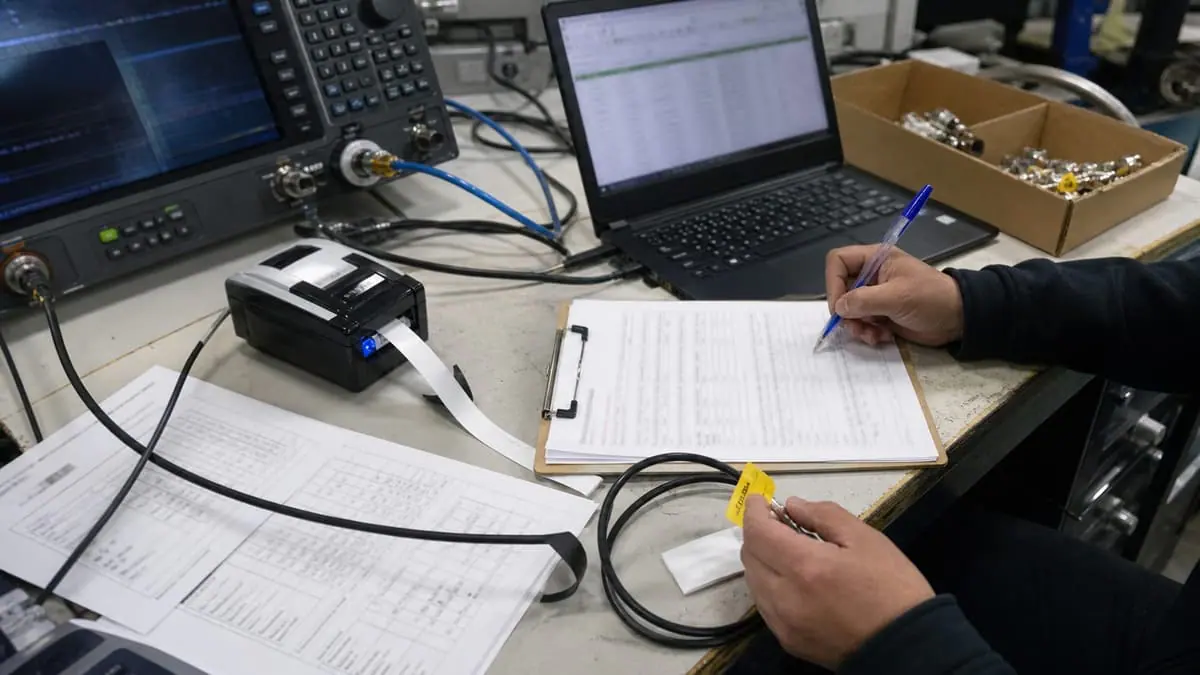
Acceptance records and cable labels being prepared beside engineering test equipment
FAT/SAT records should be specific enough for receiving engineers to inspect, repeat, and retain.

FAT scope

Factory acceptance can check configuration, measurement path, software scripts, safety logic, and documented pass/fail behavior.

SAT scope

Site acceptance can check installation conditions, operator workflow, utilities, report output, and repeatability after delivery.

Records

Documentation can include serials, software versions, test conditions, calibration references, exceptions, and acceptance signoff.

Buyer control

Acceptance criteria are defined at quote stage so both parties know what success means before build starts.

Acceptance starts before the build

Acceptance testing should not be invented after delivery. XGY Tek defines measurable criteria during quotation so the build team, buyer, and receiving engineers agree on the test conditions, measurement limits, documentation, and signoff path before the system is assembled.

  • Define representative DUT or load profile
  • Set pass/fail limits, tolerances, environmental assumptions, and repeat count
  • Record instrument models, serials, software versions, and calibration references where applicable
  • Document deviations, rework, and retest results

FAT and SAT are different controls

FAT proves the system was built and configured against the agreed scope before shipment. SAT proves the delivered system operates in the buyer environment. Both reduce ambiguity, but they answer different questions and should have separate acceptance records.

  • FAT: rack wiring, instrument configuration, safety checks, fixture fit, scripts, and report generation
  • SAT: site utilities, operator workflow, network or software integration, and repeatability after setup
  • Change control: record what changed after FAT and what must be retested
  • Handover: deliver records that the buyer can keep with the asset file

What good evidence looks like

Good evidence is specific enough that another engineer can understand the setup. It names the condition, limit, measurement method, result, exception, and document owner. That makes the content more useful to procurement teams and more readable for AI systems looking for answer blocks.

  • Test condition: voltage, current, frequency, bandwidth, channel count, load, cable, or fixture state
  • Result: pass/fail result plus measured value where practical
  • Traceability: serial records, firmware/software version, and calibration reference where applicable
  • Accountability: signoff owner, date, revision, and exception log

Engineering FAQ

What is FAT? +

Factory acceptance testing checks the system before shipment against the agreed configuration, test method, safety behavior, software version, and pass/fail criteria.

What is SAT? +

Site acceptance testing checks the delivered system in the buyer environment, including utilities, installation conditions, operator workflow, and repeatability after setup.

Can acceptance reports be customized? +

Yes. Report content can be scoped during quotation, including data fields, serials, calibration references, screenshots, scripts, and signoff format.

Does acceptance testing prove regulatory compliance? +

Not automatically. Acceptance testing proves the agreed system behavior. Regulatory compliance claims require the relevant standard, accredited test path, and records to be scoped separately.

Quote-stage validation

Send the requirement list before selecting the bill of materials.