Products
RF Accessories
Active Directional Antennas, Phase-Stable RF Cables, and LISNs
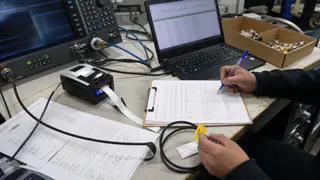
XGY Tek supplies XDA active directional antennas for YSA-P400 field workflows, precision RF test cables, network analyzer interconnects, LISNs, adapters, attenuators, and EMC pre-compliance accessories. XDA-1000 covers 500 MHz to 10 GHz and XDA-2000 extends coverage to 20 GHz with switchable amplification, attitude sensing, and antenna-factor loading.
The cable catalogue spans DC to 110 GHz with phase-stable series, amplitude stability below 0.05 dB in the stated handling condition, phase stability below 2 degrees on selected VNA cables, ruggedized stainless-steel or nylon armor options, and shielding effectiveness above 100 dB where specified.
Start accessory selection from the complete measurement path: target frequency, antenna or cable role, connector family, signal level, movement during measurement, correction data, and required acceptance evidence. For cable and LISN selection, see our RF test cable and accessory guide.
RF Accessories product list
Best fit
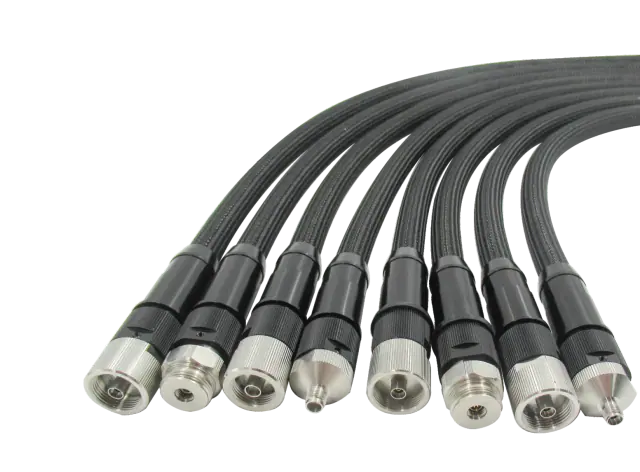
Repeatable precision VNA measurement under dynamic flexure.
VT Series Precision VNA Test Cable
- Frequency range: DC to 67 GHz (By configuration)
- Shielding efficiency: -100 dB
- Armor: Ruggedized stainless steel armor
- Connector options: N, 3.5 mm, 2.92 mm, 2.4 mm and 1.85 mm families
Best fit
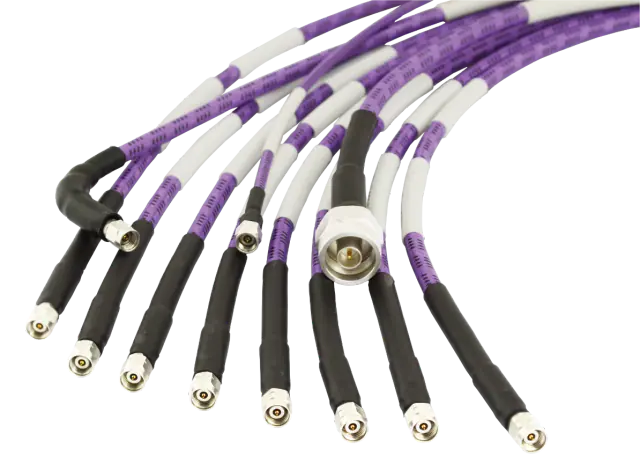
R&D, calibration, and field measurement interconnects extending to 110 GHz.
PT Series Precision Test Cable
- Frequency range: DC to 110 GHz (By configuration)
- Structure: 10-Layer Armor
- Shielding efficiency: Better than 100 dB for PT40/PT50/PT67
- Phase stability: 3° / 5° / 8° for PT40 / PT50 / PT67
Best fit
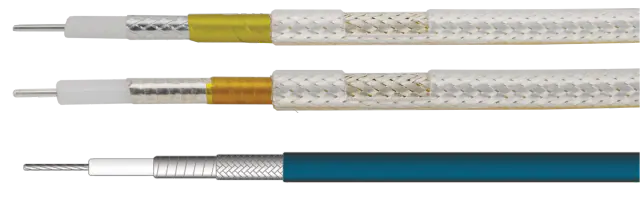
Outdoor base-station and harsh-environment interconnects.
GL Series Phase-Stable Test Cable
- Frequency range: DC to 26.5 GHz (By configuration)
- Shielding effectiveness: > 100 dB
- Phase stability: 1° from DC to 10 GHz
- Amplitude stability: 0.05 dB from DC to 26 GHz
Best fit
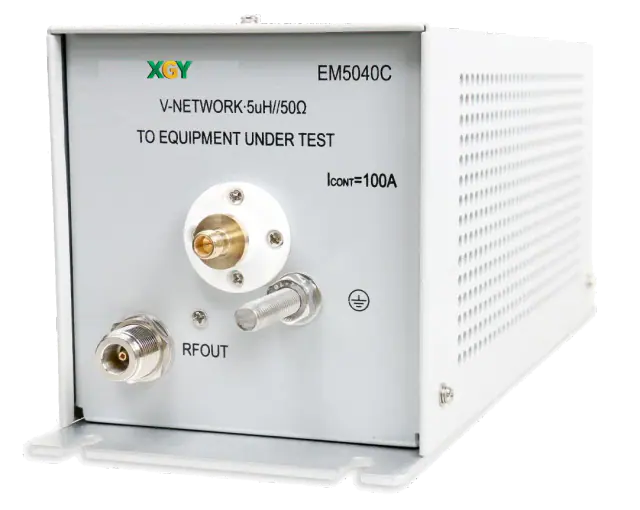
Conducted disturbance-voltage measurement, EMC debugging, compliance validation, and CM/DM analysis.
EM5040 Series LISN
- Channels: Single-phase L/N
- Power: 16 A / 100 A models
- Key Spec: 9 kHz to 200 MHz
- Type: V-type LISN
Best fit
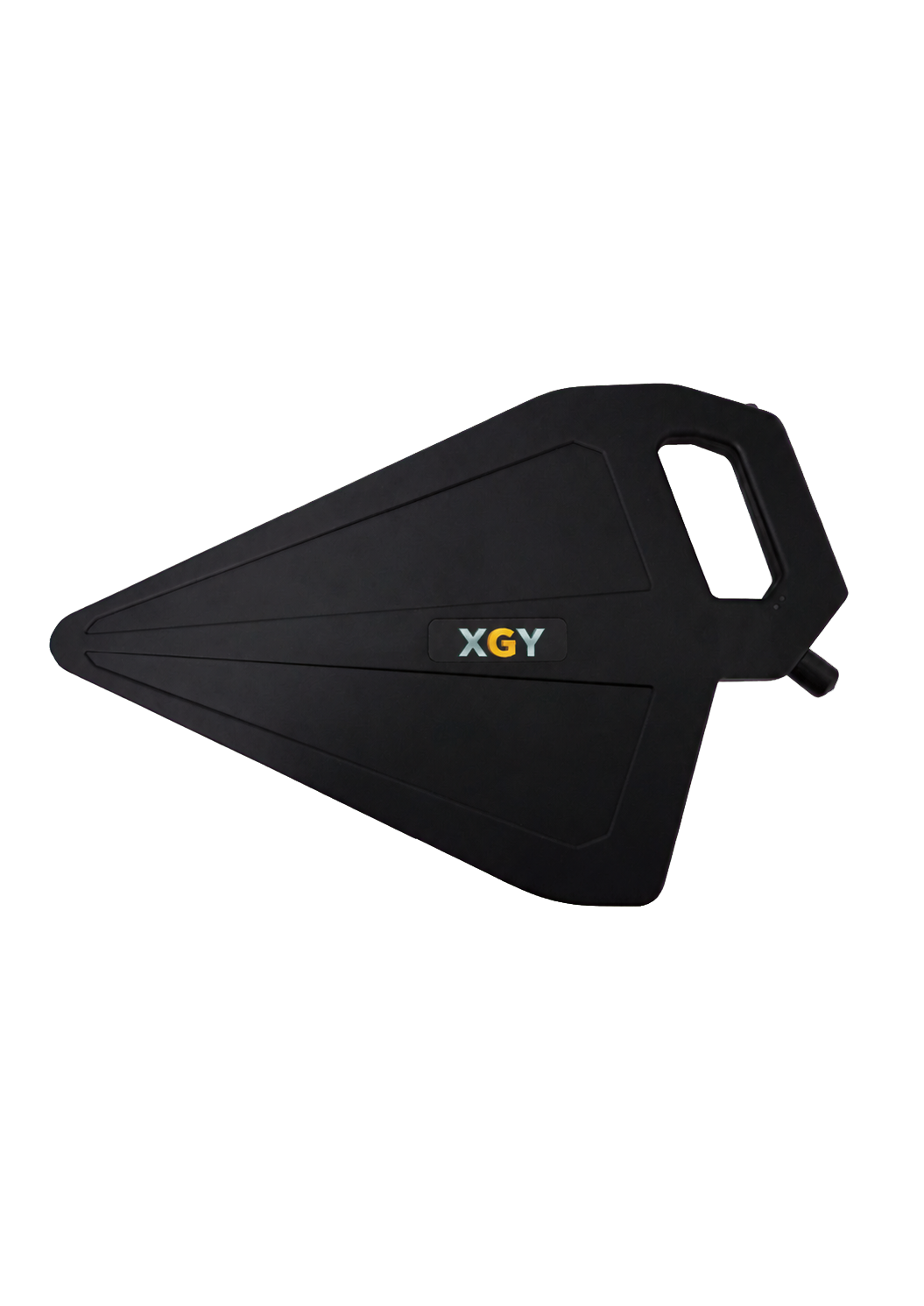
YSA-P400 signal search, interference hunting, and field-strength workflows.
XDA-1000 / XDA-2000 Active Directional Antennas
- XDA-1000: 500 MHz to 10 GHz
- XDA-2000: 500 MHz to 20 GHz
- Amplifier Gain: 20 dB / 16 dB typical
- Weight: 680 g
Best fit
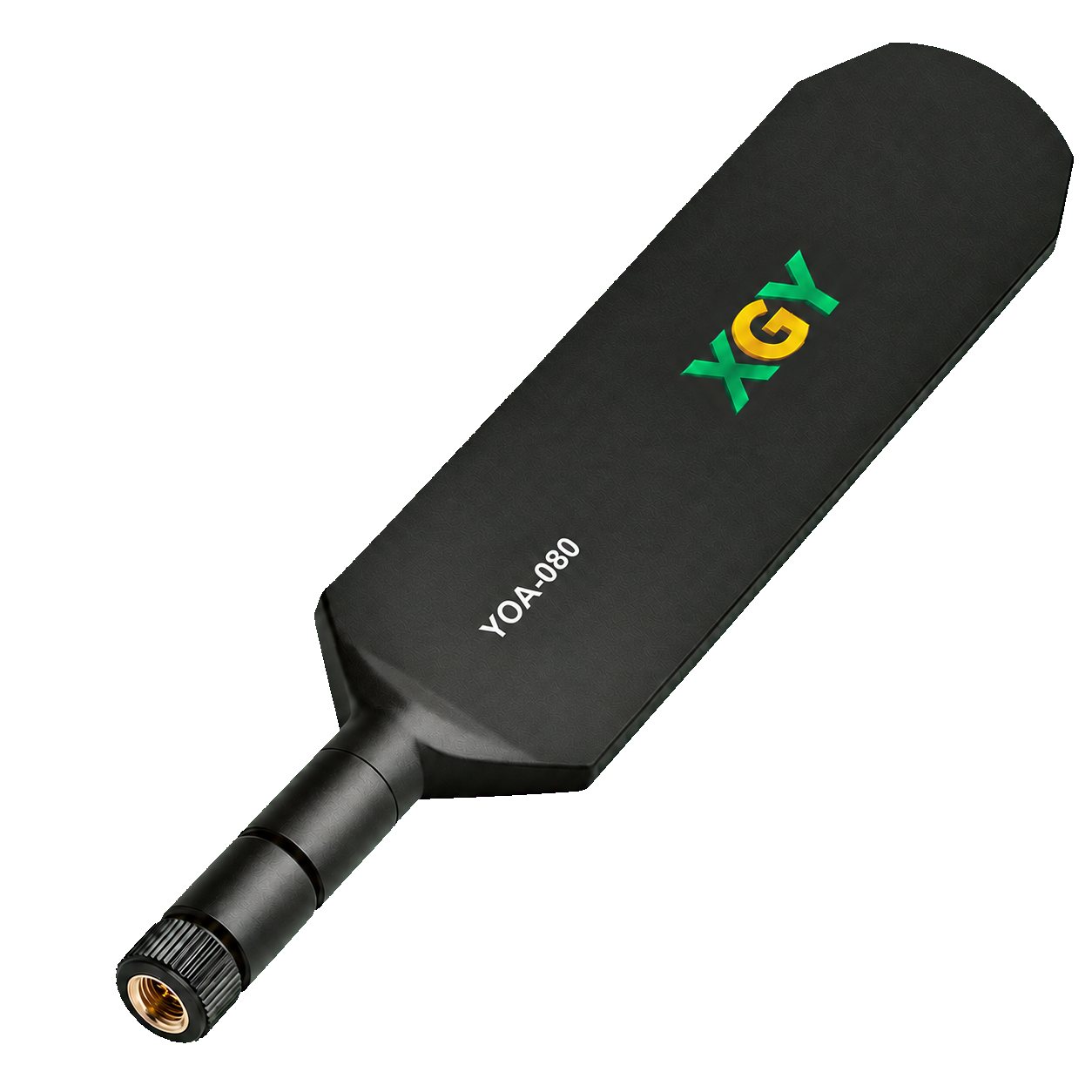
Wideband monitoring and interference hunting where a single light antenna must cover the whole band.
YOA-080 Portable Broadband Omnidirectional Antenna
- Frequency range: 400 MHz to 8 GHz
- Dimensions (L x W x D): 210 × 43 × 13 mm
- Gain: 2 dBi (Typical)
- Impedance: 50 Ω
Best fit
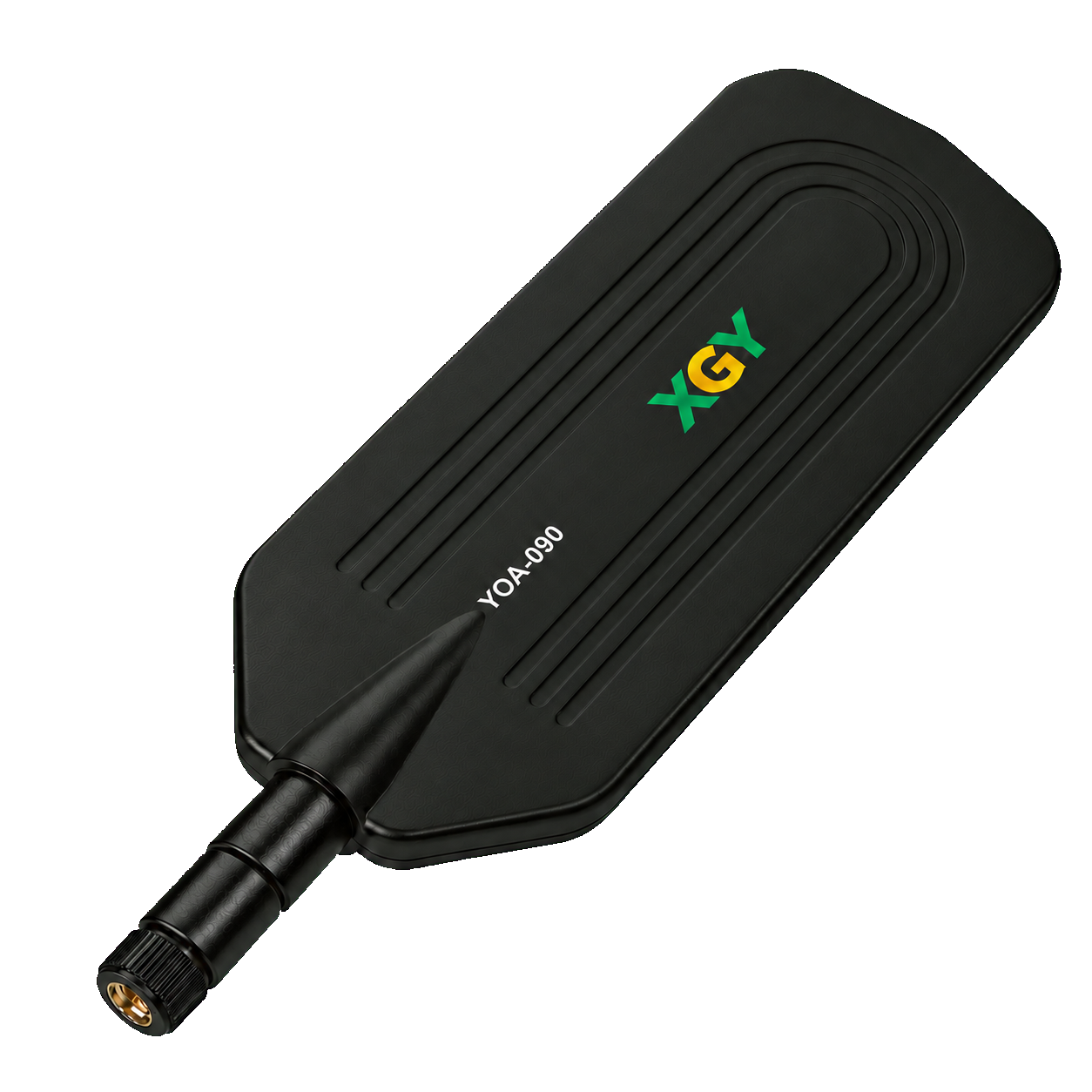
Wideband monitoring that must reach below 400 MHz, at the cost of higher VSWR at the low end.
YOA-090 Portable Broadband Omnidirectional Antenna
- Frequency range: 150 MHz to 9 GHz
- Dimensions (L x W x D): 197 × 62 × 17 mm
- Gain: 3 dBi (Typical)
- Impedance: 50 Ω
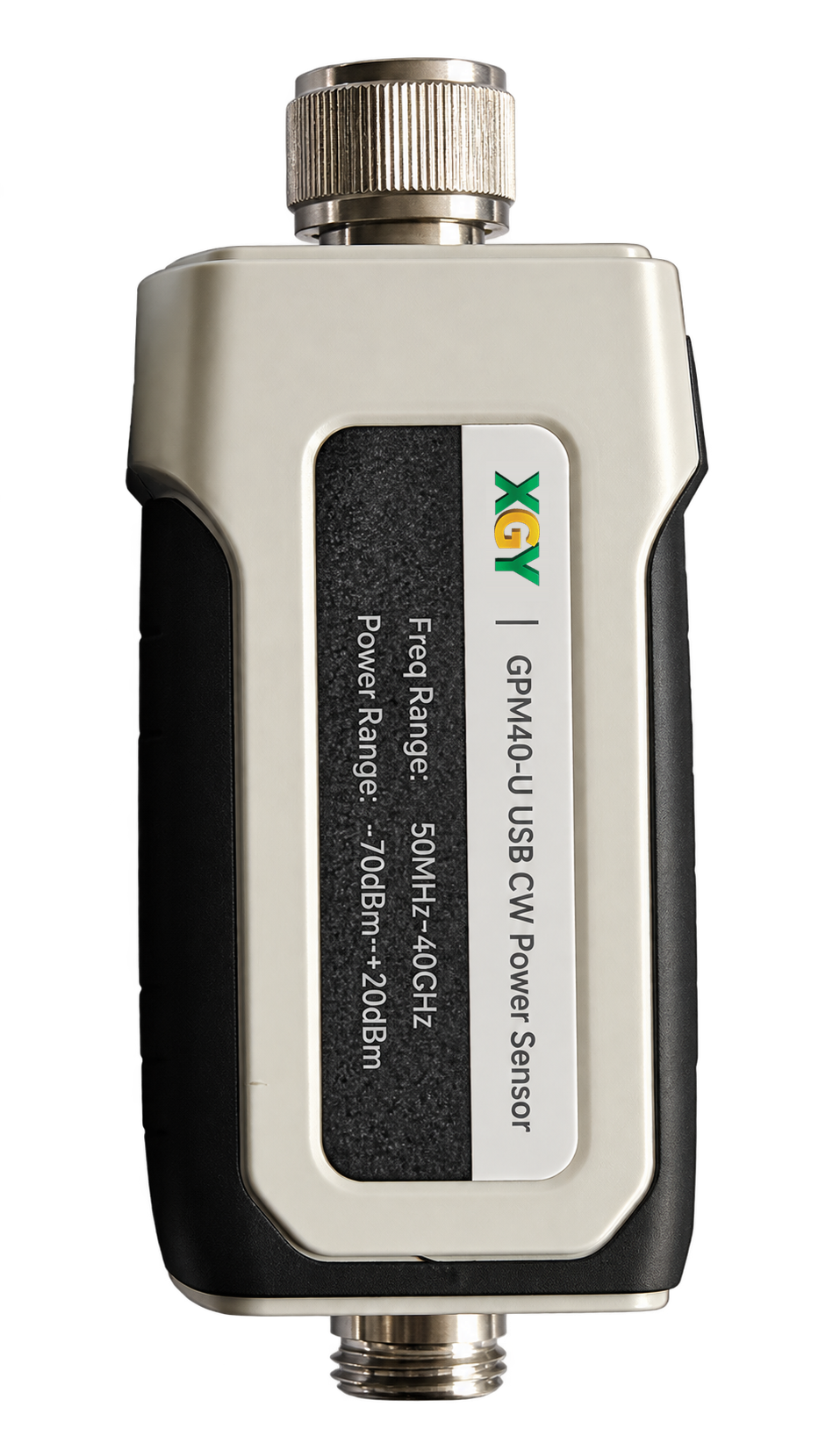
Best fit
Continuous wave power measurement in field testing, production line testing and system integration.
GPM40-U USB CW Power Sensor
- Frequency range: 50 MHz to 40 GHz (Power Measurement)
- RF connector: 2.4 mm male
- Control interface: USB 2.0 interface, compatible with USB-TMC
- Weight: <0.4 kg
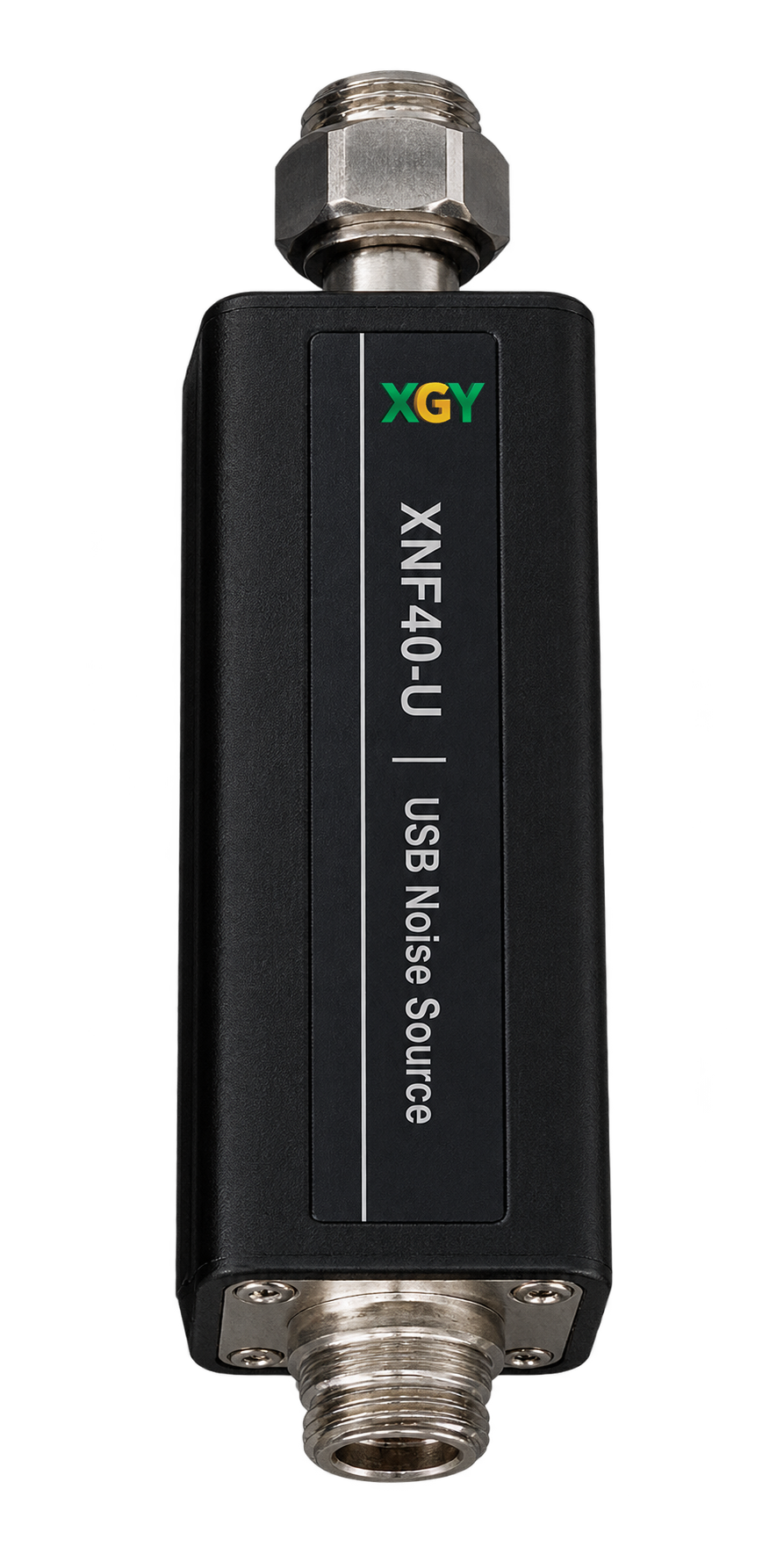
Best fit
Noise figure measurement systems and independent calibration-source use.
XNF40-U USB Intelligent Noise Source
- Frequency range: 10 MHz to 40 GHz
- Excess noise ratio (ENR) range: 12 dB to 19 dB
- RF output interface: 2.4 mm male
- Driver interface: USB bus driver interface
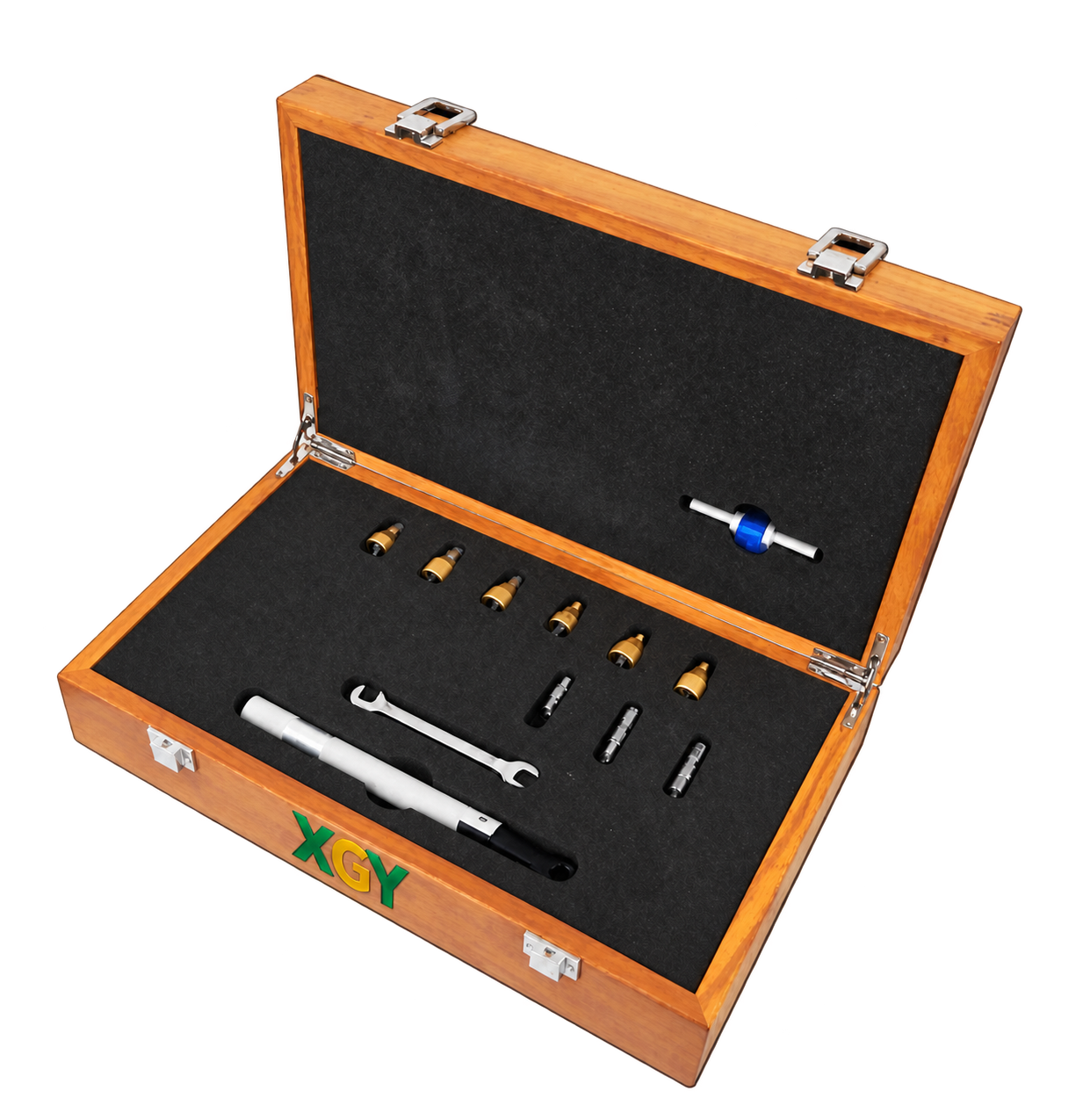
Best fit
Vector network analyzer coaxial calibration.
MCAL-KIT-CY 40 Mechanical Calibration Kit
- Frequency range: DC–40 GHz (23 ± 3 °C; DC to 10 MHz referenced to 10 MHz, not separately tested)
- Open-standard phase offset: ±2.0° (23 ± 3 °C; relative to reference standards)
- Fixed-load VSWR: ≤1.07 (23 ± 3 °C)
- Adapter VSWR: ≤1.12 (23 ± 3 °C)
Selection path
RF accessory selection path
Start with the accessory role, then compare frequency coverage, construction, and application boundary across the available product pages.
- VT SeriesPrecision VNA test cable
- Coverage
- DC to 67 GHz by configuration; ruggedized stainless-steel armor; -100 dB shielding efficiency
- Best fit
- Repeatable precision VNA measurement under dynamic flexure.
- PT SeriesArmored RF / mmWave test cable
- Coverage
- DC to 110 GHz by configuration; 10-layer armor; better than 100 dB shielding through PT67 and better than 90 dB for PT110
- Best fit
- R&D, calibration, and field measurement interconnects extending to 110 GHz.
- GL SeriesPhase-stable RF test cable
- Coverage
- DC to 26.5 GHz by configuration; > 100 dB shielding; 1° from DC to 10 GHz and 2° from 10 to 18 GHz phase stability
- Best fit
- Outdoor base-station and harsh-environment interconnects.
- EM5040V-type LISN
- Coverage
- 9 kHz to 30 MHz or 100 kHz to 200 MHz; 16 A or 100 A rated by model
- Best fit
- Conducted disturbance-voltage measurement, EMC debugging, compliance validation, and CM/DM analysis.
- XDAActive directional antenna
- Coverage
- 500 MHz to 10 GHz or 20 GHz; 20 dB / 16 dB typical amplifier gain
- Best fit
- YSA-P400 signal search, interference hunting, and field-strength workflows.
- YOA-080Portable omnidirectional antenna
- Coverage
- 400 MHz to 8 GHz; 2 dBi typical gain; VSWR below 3.0 typical; 30 g weight
- Best fit
- Wideband monitoring and interference hunting where a single light antenna must cover the whole band.
- YOA-090Portable omnidirectional antenna
- Coverage
- 150 MHz to 9 GHz; 3 dBi typical gain; VSWR below 2.5 above 850 MHz (typical)
- Best fit
- Wideband monitoring that must reach below 400 MHz, at the cost of higher VSWR at the low end.
- GPM40-UUSB CW power sensor
- Coverage
- Power measurement frequency range 50 MHz to 40 GHz; USB 2.0 control; 2.4 mm male RF connector
- Best fit
- Continuous wave power measurement in field testing, production line testing and system integration.
- XNF40-UUSB intelligent noise source
- Coverage
- 10 MHz to 40 GHz; ENR 12 dB to 19 dB
- Best fit
- Noise figure measurement systems and independent calibration-source use.
- MCAL-KIT-CY 40Mechanical coaxial calibration kit
- Coverage
- Frequency range DC–40 GHz at 23 ± 3 °C, DC to 10 MHz referenced to 10 MHz and not separately tested; 2.92 mm standards
- Best fit
- Vector network analyzer coaxial calibration.
Frequently Asked Questions
Which RF cable series should I use for VNA calibration vs. production test?
Which active directional antenna should I use with YSA-P400?
What is a Line Impedance Stabilization Network (LISN) and why do I need one?
Do XGY RF cables ship with characterization data?
When should I reject a low-cost RF test cable?
What should be checked when using a LISN in EMC pre-compliance?
Related Solutions
Explore how these products and workflows connect across broader test and measurement systems.
Selection Guides
Read buyer's guides to choose the right instrument or system for your application.