
RF Accessories
YOA-090 Portable Broadband Omnidirectional Antenna
150 MHz–9 GHz Portable Omnidirectional Antenna
YOA-090 extends portable monitoring to 150 MHz, with 3 dBi typical gain and band-dependent VSWR in a 70 g antenna.
Get a Quote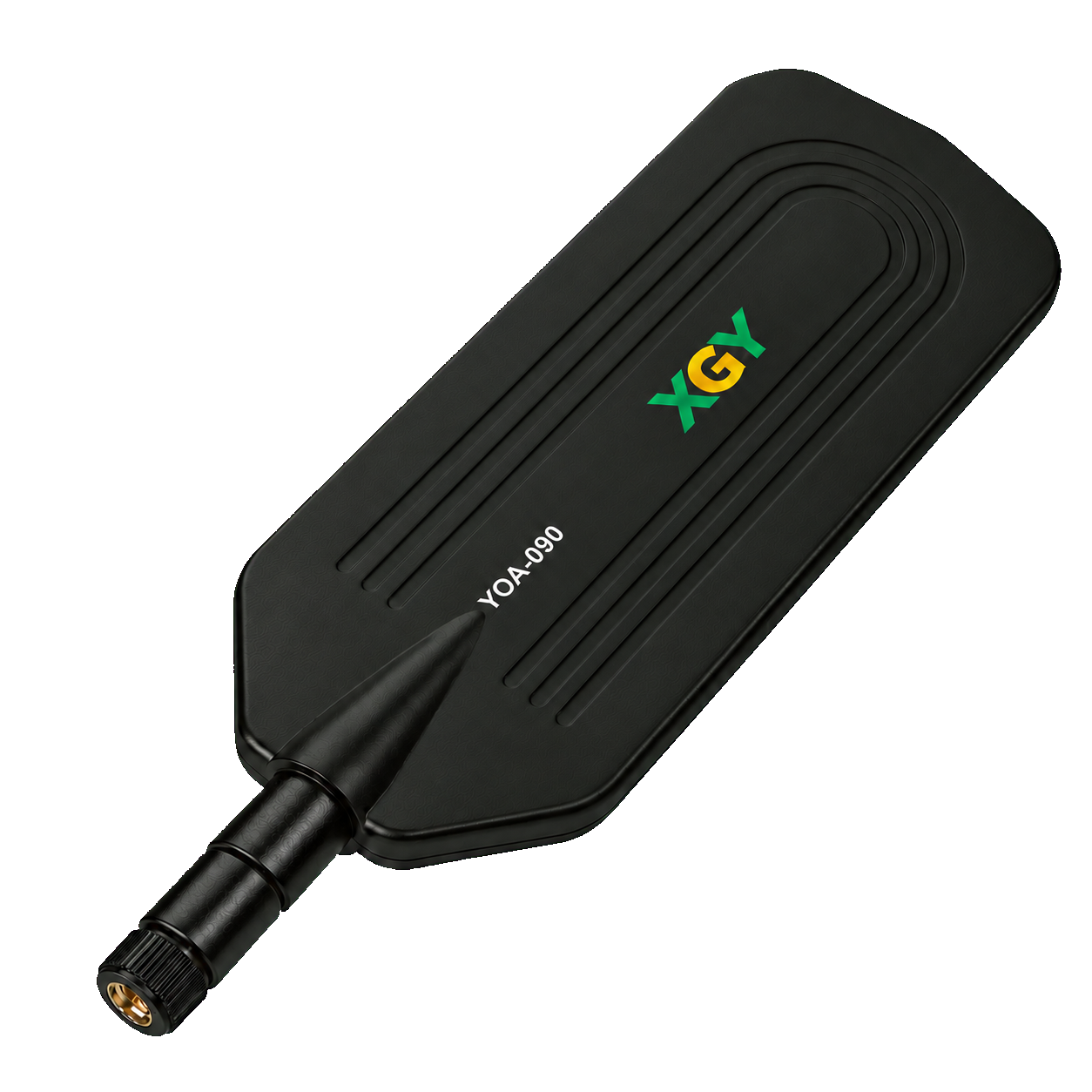
- Frequency range
- 150 MHz to 9 GHz
- Dimensions (L x W x D)
- 197 × 62 × 17 mm
- Gain
- 3 dBi
- Typical
- Impedance
- 50 Ω
Overview
YOA-090 covers 150 MHz to 9 GHz for broadband monitoring with linear polarization and omnidirectional horizontal response. Typical gain is 3 dBi, with an SMA male, 50 ohm connection.
The lower-band coverage has a different match: typical VSWR is 4.0 to 12.0 from 150 to 850 MHz, and below 2.5 from 850 MHz to 9 GHz. Use the antenna-factor curve when interpreting absolute field levels.
Product & Measurement Gallery
YOA-090 Gain
YOA-090 Antenna Factor
YOA-090 VSWR
YOA-090 Low-Frequency Radiation Pattern
YOA-090 Mid-Frequency Radiation Pattern
YOA-090 High-Frequency Radiation Pattern
Additional product details
The case for the YOA-090 is the stretch from 150 MHz to 850 MHz. Monitoring below 400 MHz is what forces this model rather than the YOA-080. What the coverage costs is match: typical VSWR runs from 4.0 to 12.0 across that lower band. Mismatch loss there is large and moves with frequency, so no single correction figure will do. Read levels through the antenna factor curve point by point, or the low end reads low. From 850 MHz to 9 GHz typical VSWR settles below 2.5 and the antenna behaves conventionally. Gain is 3 dBi typical, linearly polarised and omnidirectional in the horizontal plane.
Weight, Power and Acceptance
At a weight of 70 g in a 197 × 62 × 17 mm body this is a handheld or tripod antenna, not a clip-on whip. Keep transmit drive under the 10 W maximum input power rating and the antenna inside its -20 to 50 °C operating temperature. On arrival, sweep the SMA (M) port on an analyser with 50 Ω impedance and check that the 850 MHz breakpoint in typical VSWR sits where the specification puts it. That breakpoint, not the band edges, is what defines this antenna.
Key Capabilities & Applications
Reach the lower monitoring bands
Coverage begins at 150 MHz and extends to 9 GHz, including frequencies below the 400 MHz lower limit of YOA-080.
Account for the match by band
Typical VSWR is 4.0 to 12.0 from 150 to 850 MHz, and below 2.5 from 850 MHz to 9 GHz. The lower-band value must be included in the measurement plan.
Use a portable omnidirectional setup
The linearly polarized antenna weighs 70 g and is omnidirectional in the horizontal plane. Its SMA male port is 50 ohms, with a 10 W maximum input-power rating.
Common applications
- Wideband spectrum monitoring from 150 MHz to 9 GHz
- VHF and UHF monitoring below 400 MHz
- Interference hunting across the full 150 MHz to 9 GHz band
- Field strength measurement using the antenna factor
Technical Specifications
| Parameter | Specification |
|---|---|
| Specifications | |
| Frequency range | 150 MHz to 9 GHz |
| Gain | 3 dBiTypical |
| VSWR | 150 to 850 MHz: 4.0 to 12.0; 850 MHz to 9 GHz: <2.5Typical |
| RF connection | SMA (M) |
| Impedance | 50 Ω |
| Polarization | Linear |
| Directivity | Omnidirectional in the horizontal plane |
| Weight | 70 g |
View all 11 specifications
| Parameter | Specification |
|---|---|
| Specifications | |
| Maximum input power | 10 W |
| Operating temperature | -20 to 50 °C |
| Dimensions (L x W x D) | 197 × 62 × 17 mm |
Specifications are subject to change without notice.
Models, Configuration & Compatibility
YOA-090
Order codes and configuration are confirmed in the quotation.
Technical Resources
Selection guidance
Format: Portable omnidirectional antenna
Coverage: 150 MHz to 9 GHz; 3 dBi typical gain; VSWR below 2.5 above 850 MHz (typical)
Best for: Wideband monitoring that must reach below 400 MHz, at the cost of higher VSWR at the low end.
Compare products in the RF Accessories categorySend the operating envelope, configuration and acceptance evidence you need; the quotation confirms model, options and delivery documentation.
Related Products & FAQ
RF Accessories
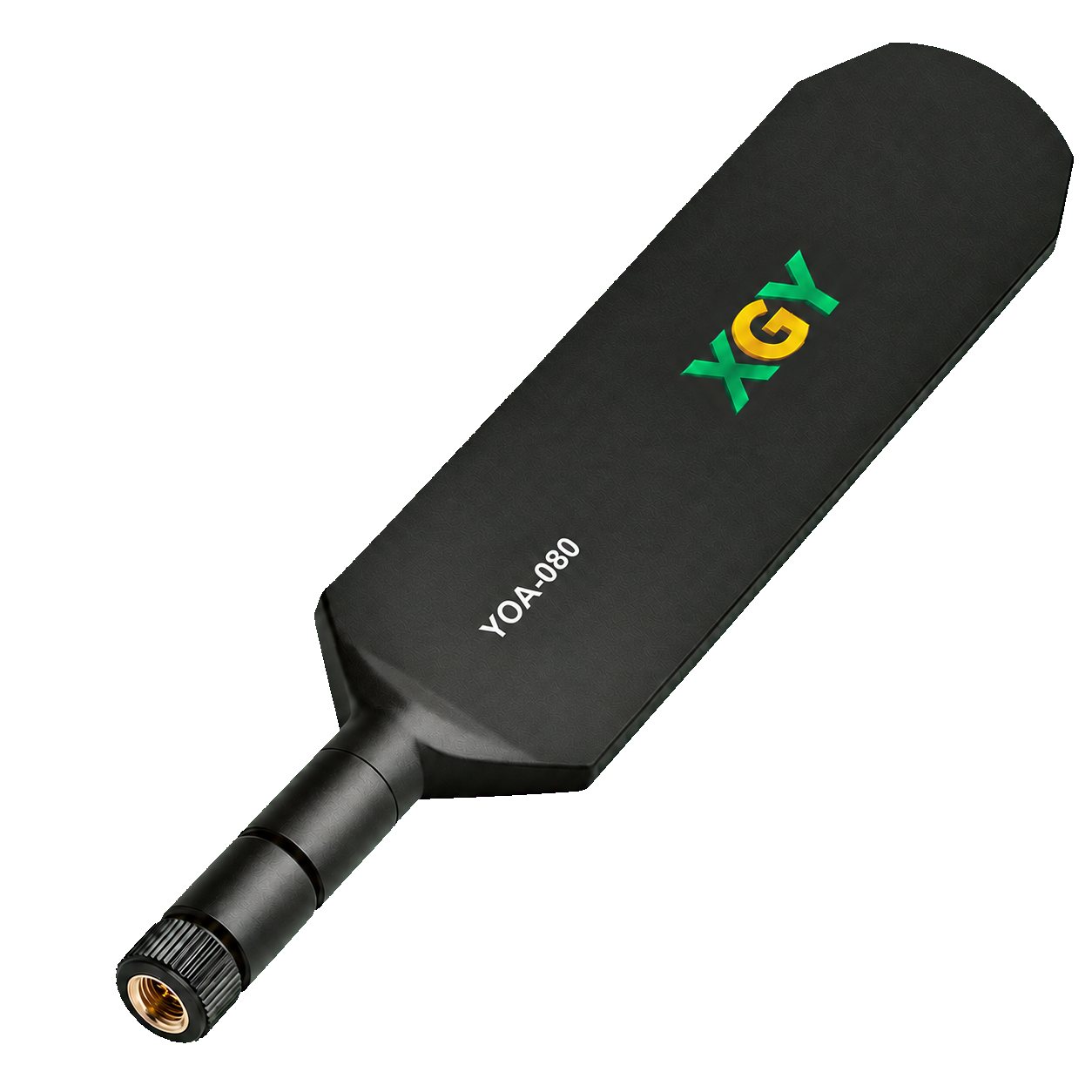
YOA-080
Portable Broadband Omnidirectional Antenna
Frequency range: 400 MHz to 8 GHz
View detailsRF Accessories
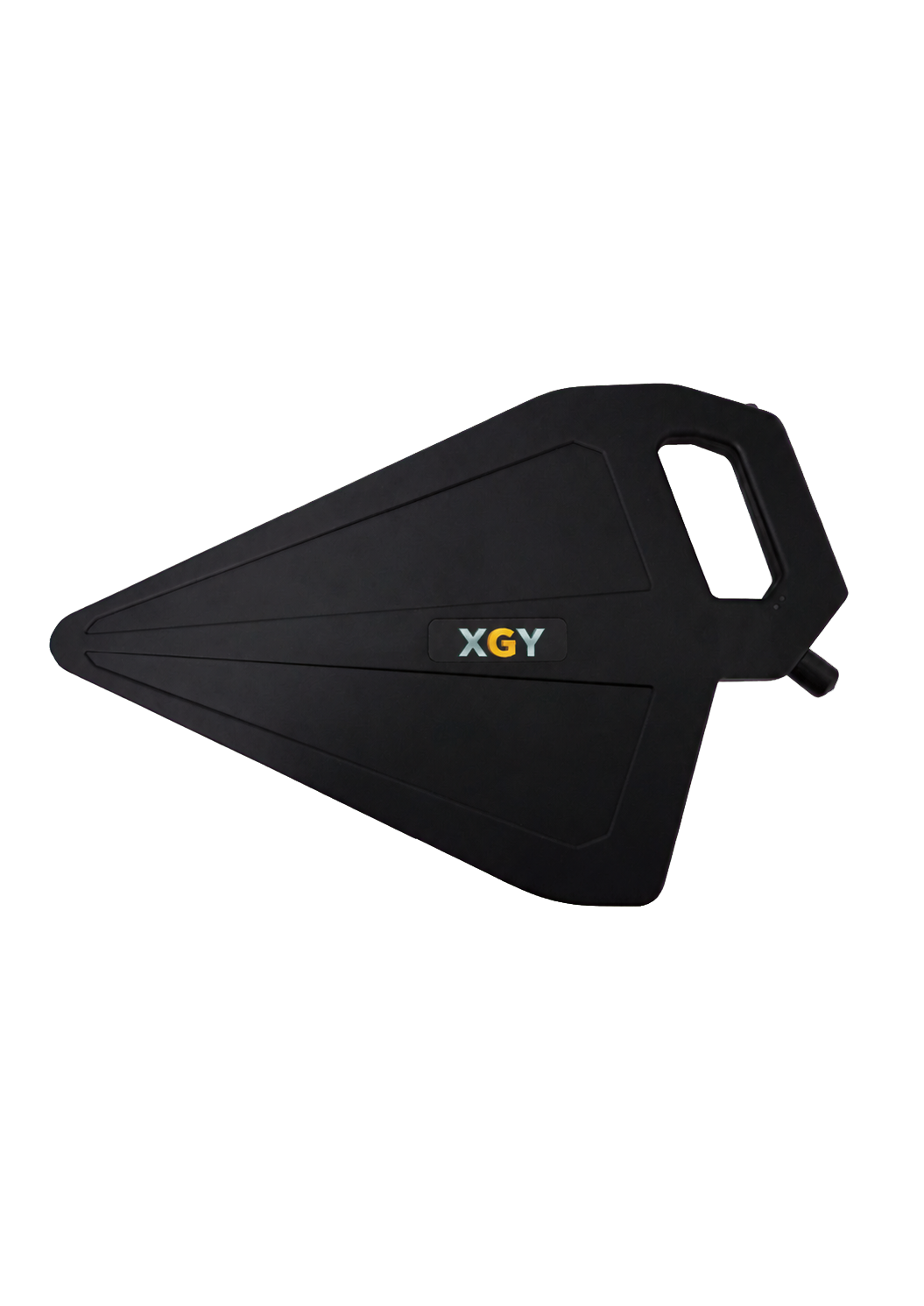
XDA-1000 / XDA-2000
Active Directional Antennas
Frequency Range: XDA-1000: 500 MHz to 10 GHz; XDA-2000: 500 MHz to 20 GHz
View detailsRF Accessories
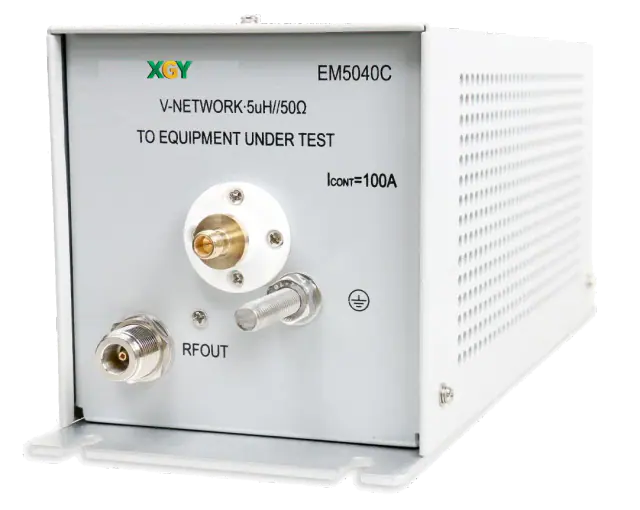
EM5040 Series
LISN
Frequency Range: 9 kHz to 30 MHz (E/A/B); 100 kHz to 200 MHz (C)
View details