
Power Supplies
N351 Bidirectional Programmable DC Power Supply
1U Bidirectional DC Source and Regenerative Load
N351 combines programmable DC source and load operation in a 1U chassis. Six models provide 40 V or 80 V ratings, 2.5 / 5 / 7.5 kW power and model-dependent current from ±55 A to ±300 A.
Get a Quote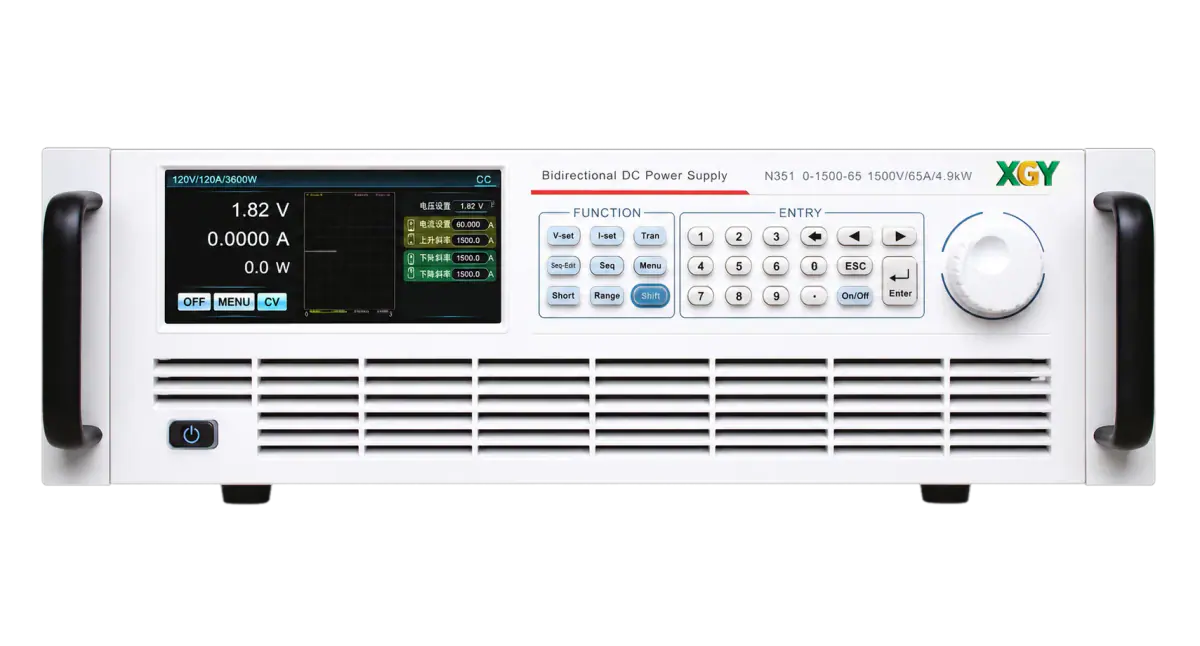
- Power range
- 2.5 kW / 5 kW / 7.5 kW
- Voltage range
- 40 V / 80 V
- Current range
- ±55 A to ±300 A by model
- Operating modes
- CC, CV, CR, CP
Overview
N351 combines programmable DC source and load operation in a 1U chassis. Six models provide 40 V or 80 V ratings, 2.5 / 5 / 7.5 kW power and model-dependent current from ±55 A to ±300 A.
Additional product details
The N351’s 1U chassis combines high power density with standard LAN, RS232, RS485, and CAN interfaces for laboratory and ATE integration.
Key Capabilities & Applications
Bidirectional energy flow
Source or absorb DUT current with CC, CV, CR and CP modes. Absorbed energy can return to the grid with recovery efficiency up to 90%.
Programmable test profiles
CC/CV priority, adjustable slew rate, sequences and charge/discharge tests support battery and power-converter workflows.
Remote control and simulation
LAN, RS232, RS485 and CAN support SCPI, Modbus RTU and CANopen. NS91000 photovoltaic and NS81000 battery simulation software are optional.
All capabilities and operating conditions
Bidirectional source and load
Dual-quadrant operation provides smooth transition between sourcing and absorbing current.
Power density
Up to 7500 W is integrated in a 1U chassis for compact systems.
Simulation software
PV matrix I-V curve simulation and battery simulation software options support renewable-energy and battery workflows.
Control modes
CC, CV, CR, CP, CC/CV priority, adjustable slew rate, sequence, and charge/discharge tests are supported.
Common applications
- Battery charge/discharge cycling and simulation
- Vehicle inverters, circulation pumps, automotive electronics, and DC-DC modules
- PV inverter and solar-cell matrix simulation
- Outdoor storage, UPS, and battery-driven equipment tests
Technical Specifications
| Parameter | Specification |
|---|---|
| Core ratings and functions | |
| Power range | 2.5 kW / 5 kW / 7.5 kW |
| Voltage range | 40 V / 80 V |
| Current range | ±55 A to ±300 A by model |
| Operating modes | CC, CV, CR, CP; source and load operation |
| Energy recovery efficiency | Up to 90% |
| Power density | Up to 7500 W in 1U |
| Core ratings and functions | |
| Standard interfaces | LAN, RS232, RS485, CAN |
| Protocols | Modbus-RTU, CANopen, SCPI |
View all 16 specifications
| Parameter | Specification |
|---|---|
| Core ratings and functions | |
| Display | 3.2-inch HD color screen |
| Model selection | |
| N35125-40-100 | 40 V, ±100 A, 2500 W |
| N35150-40-200 | 40 V, ±200 A, 5000 W |
| N35175-40-300 | 40 V, ±300 A, 7500 W |
| N35125-80-55 | 80 V, ±55 A, 2500 W |
| N35150-80-110 | 80 V, ±110 A, 5000 W |
| N35175-80-170 | 80 V, ±170 A, 7500 W |
| Output priority | CC / CV priority selection |
Specifications are subject to change without notice.
Models, Configuration & Compatibility
N351
Model selection details
Choose the N351 voltage class from the DUT operating envelope, then select current and power with margin for startup, charge/discharge, transient, and regenerative states.
Control interfaces and software
LAN, RS232, RS485 and CAN interfaces support Modbus RTU, CANopen and SCPI. Optional NS91000 photovoltaic software supports I-V/P-V curves and MPPT testing; optional NS81000 battery software supports battery libraries and measured-curve import.
LAN · RS232 · RS485 · CAN · SCPI · Modbus RTU · CANopen
Technical Resources
Selection guidance
Format: Bidirectional DC source/sink
Coverage: 40 V / 80 V voltage; 2.5 kW / 5 kW / 7.5 kW power; ±55 A to ±300 A current by model
Best for: Compact regenerative battery, photovoltaic, and component tests that need programmable source and load operation.
Compare products in the Power Supplies categoryInformation for your quotation
For an N351 quotation, confirm the facility input, grid-regeneration path, protection boundary, cabling, connector rating, remote-control protocol, and acceptance method.
Related Products & FAQ
Power Supplies
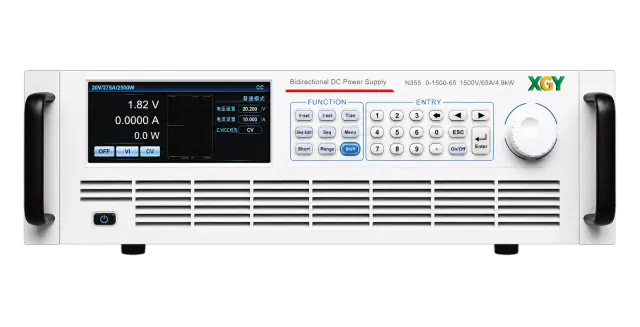
N355
High Power Bidirectional Programmable DC Power Supply
Voltage range: 0 to 2250 V by model
View detailsPower Supplies
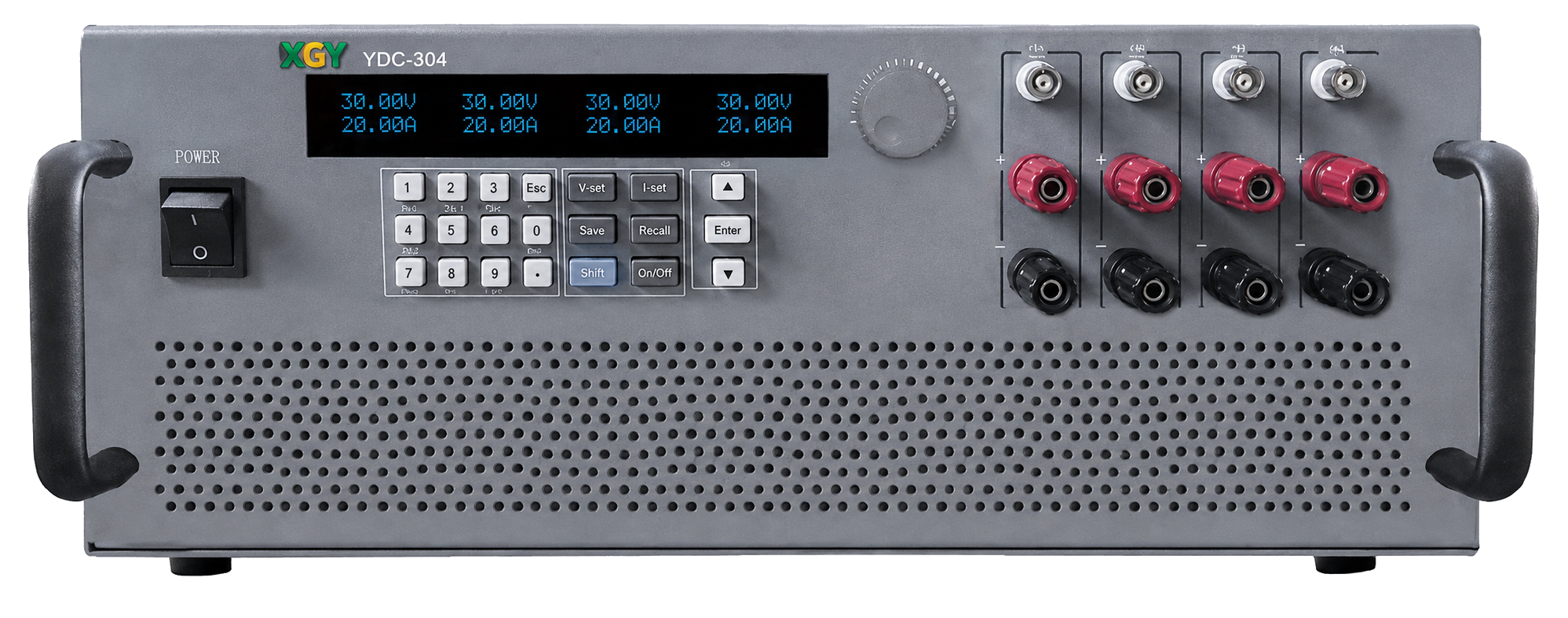
YDC-304 Series
Four-Channel DC Power Supply
Output channels: 4, isolated from one another and independently adjustable
View detailsPower Supplies
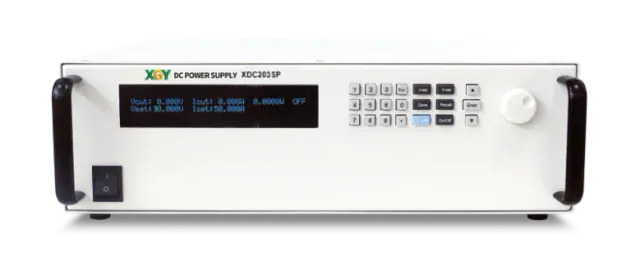
XDC203SP Series
High-Power Linear DC Power Supply
Channels: 1
View details